Table of Contents
Harela, hara, hariyali—every variation of the word evokes the vivid, unmistakable spectrum of green. Green is nature’s ultimate statement of rebirth, and nowhere is this transformation more spellbinding than across the Himalayan slopes during the monsoon. In these months, nature displays shades of green so distinct—some deep and moody, others soft and luminous—that words often fail to capture them.
At its heart, human existence has always revolved around the quiet struggle to feed oneself. Realising this eternal connection, our ancestors established seasonal rituals to offer gratitude to the earth, pray for better crop yields, and mark the onset of fresh agricultural cycles. Harela is one such ancient tradition preserved with deep affection in Uttarakhand’s Kumaon region, where celebrating the earth’s bounty remains as vital today as it was centuries ago.
The Roots of Harela: Celebrating Nature’s Rebirth and Harvest Gratitude
Shades of Green: The Visual Splendor of the Himalayan Monsoon

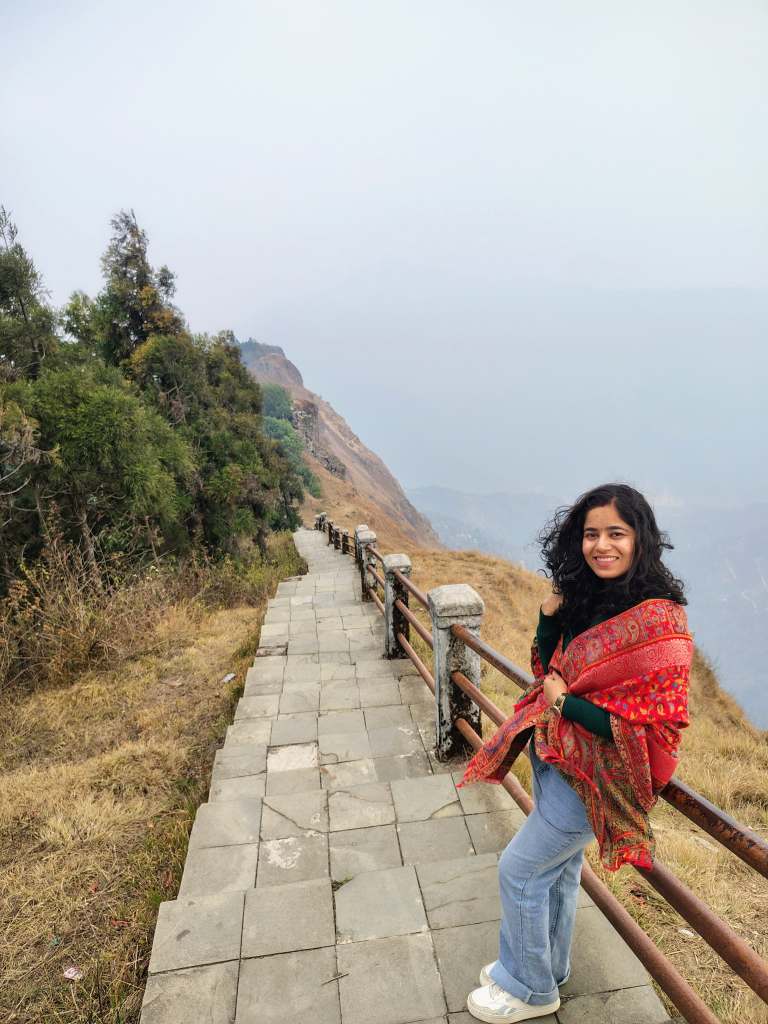
When the first monsoon rains wash over Kumaon, the landscape sheds its dry summer coat and awakens in vibrant foliage. The hills breathe with fresh life, streams flow anew, and the sheer variety of green surrounding everyday life serves as a constant reminder of nature’s generous reset.
An Ancestral Tribute to Earth, Agriculture, and Seasons
Our ancestors understood that survival depended on harmony with the natural elements. Harela was conceived as a sacred act of thanksgiving—a pause before the labour of the new planting season to express gratitude for the soil, the water, and the promise of a harvest. It connects us directly to our agrarian heritage and reinforces our role as caretakers of the land.
The Ritual Process: From Sowing Seeds to Sacred Blessings

Ten days prior to the festival, family members sow five or seven types of local grains (such as maize, paddy, barley, and wheat) inside small baskets filled with clean soil. Kept away from direct sunlight, these seeds sprout into tender, pale yellow-green shoots called Harela. On the morning of the festival—coinciding with Sawan Sangrand—these sacred stalks are gently harvested, offered to the deities, and placed behind ears or tucked above the forehead by elders as a cherished blessing for good health, peace, and prosperity. While giving blessings, elder people also sang a folk song. Here are the English lyrics for the most famous Harela blessing:
“Live long, awaken with knowledge, and live for ages.
May the green grass on Harela grow as thick as grass and spread as wide as wood.
May you live as long as snow remains on the Himalayas.
May you live as long as water flows in the Ganges.
May this day and this month return to you every year.
May you have the wisdom of a fox and the life force of a lion.”
The Historic Harela Mela: Life, Culture, and Trade in Bhimtal
Sawan Sangrand and the Transformation of Ramlila Maidan
Celebrated on the Sangrand (entry) of the month of Shravan in the Hindu calendar, Harela ushers in the month-long monsoon festivities. In Bhimtal, this time is marked by the grand Harela Mela, hosted on the historic Ramlila Maidan situated right across from the Department of Management Studies (DMS) campus of Kumaun University.
Local Craftsmen, Stalls, and Timeless Keepsakes
Having lived in Bhimtal for a few years, walking through this fair remains one of my fondest memories. Weeks before the grand opening, vendors bid for stall spaces—prices naturally shifting depending on prime foot traffic locations. Beyond commercial goods, local hill craftsmen display handmade treasures: intricate earrings, handwoven bags, and beautifully crafted wooden storage boxes. I still treasure and use several of these handpicked items in my home today.
Cultural Evening Stages and Community Connection
During the fair, the quiet town of Bhimtal lights up with incredible energy. A central cultural stage becomes the heart of the ground, featuring traditional music, folk dances, and local performances by artists and community members alike. It transforms the town into a lively gathering spot where generations meet, celebrate, and reconnect.
Economic Vitality: How a Regional Festival Sustains Hill Communities
Boosting the Local Economy Beyond the Peak Tourist Season
While Bhimtal is a well-known hill station, tourism naturally slows down with the arrival of heavy monsoon rains. The Harela Mela acts as an essential economic cushion during this off-season, drawing nearby villagers and regional visitors into town and keeping local commerce flowing.
Empowering Small Artisans and Local Vendors
For many small-scale artisans, home-based creators, and seasonal merchants, this fair is the most anticipated event of the year. It provides a direct platform to sell handcrafted goods without intermediary fees, allowing local families to sustain their livelihoods through traditional trades.
A Living Legacy of Kumaoni Heritage
Beyond its commercial and festive elements, the fair preserves the unique cultural identity of Kumaon. It keeps local folklore, traditional arts, and community bonding alive in an era where fast-paced living often eclipses regional customs.
Planning Your Visit: Reaching Bhimtal for the Monsoon Festivities
Essential Travel Details: Nearest Airport and Railhead
If you are planning to experience the Harela festivities or explore Bhimtal during the lush monsoon season, here are the authentic transit details to help you plan your journey:
| Route Type | Nearest Station / Hub | Distance to Bhimtal |
| By Air | Pantnagar Airport (PGH) | ~58 km (Approx. 2 hours by taxi) |
| By Rail | Kathgodam Railway Station (KGM) | ~21 km (Approx. 45–50 mins by taxi or bus) |
| By Road | Delhi to Bhimtal | ~300 km via NH9 |
Experiencing Bhimtal’s Monsoon Magic Responsibly
Visiting Bhimtal in July allows you to see the lake at its fullest and the surrounding pine and oak forests at their greenest. Ensure you carry light rain gear, support local vendors at the fair, and take time to absorb the serene, rain-washed beauty of the Kumaon hills.
What are your thoughts on traditional harvest festivals like Harela? Have you ever visited a monsoon fair in the hills? I’d love to hear your thoughts and memories in the comments below!
Understanding Uttarakhand
At Uttarakhandpedia, our aim is to showcase Uttarakhand beyond its popular tourist destinations. We want to share the state’s history, culture, traditions, spirituality, food, people, and the landscapes that make it unique, while bringing lesser-known stories and places to a wider audience. Through Uttarakhandpedia, we hope to help people discover, understand, and appreciate the many layers of Uttarakhand and its rich Himalayan heritage.




Leave a Reply