Table of Contents

Introduction to Ghee Sankranti
Across human geography, festivals are deeply rooted in agrarian rhythms. In the Central Himalayan region of Uttarakhand, seasonal shifts dictate not only agricultural tasks but also cultural celebrations. Ghee Sankranti, also known locally as Olgia, is one of the most significant harvest-centric festivals celebrated in Kumaon and Garhwal.
Occurring on the first day of the Hindu calendar month of Bhado (usually mid-August), Ghee Sankranti marks the natural transition from the height of the monsoon (Sawan) to the ripening period of autumn crops. The festival is an ode to nature’s abundance, agricultural prosperity, pastoral traditions, and the vital relationship between hill communities and their livestock.
The Ecological and Agricultural Context
To understand the essence of Ghee Sankranti, one must understand the ecological landscape of the Himalayas during mid-August.
The Peak of Greenery and Pastoral Wealth
By the end of Sawan, the continuous rainfall transforms the terraced fields (Sera and Ukhad) and mountain slopes into vibrant landscapes of green forage. Wild grasses, medicinal herbs, and nutrient-dense pasture vegetation flourish across both lower valley slopes and high-altitude alpine pastures (Bugyals).
For pastoralists and farming households, this abundance directly improves animal health. Cows, buffaloes, and goats feed on lush, damp pastures, leading to the highest milk yields of the year. Because milk is abundant, households naturally produce large quantities of fresh cream, butter, and clarified butter (ghee).
[ Monsoon Rains ] ──► [ Lush Pasture Growth ] ──► [ Peak Milk Yields ]
│
[Health & Immunity] ◄── [Consume Fresh Ghee] ◄── [Churn Cream/Butter]
Protection of Winter Crops
Ghee Sankranti coincides with the vital growth phase of Kharif crops such as paddy (dhan), maize (makka), finger millet (mandua), and barnyard millet (jhangora). The festival functions as a collective prayer for the protection of these crops from pests, excessive rainfall, and dry spells, ensuring a fruitful harvest in late autumn.
Culinary Customs, Folklore, and Health Aspects
Culinary Practices and Sacred Meals
The central culinary ritual of the day is the preparation and consumption of fresh ghee. Kitchens fill with the aroma of simmering butter early in the morning. Traditional dishes prepared on Ghee Sankranti include the following:
- Bedmi Roti: Whole-wheat flatbreads stuffed with spiced urad dal or ground local lentils.
- Arsa and Single: Traditional sweet delicacies made from soaked rice flour and jaggery, deep-fried in fresh ghee.
- Kheer: Creamy rice pudding prepared with rich, fresh milk and sweetened with local jaggery or sugar.
- Seasonal Vegetable Preparations: Dishes made using newly harvested seasonal vegetables such as colocasia leaves (Patur), snake gourd, and ridge gourd.
Folk Beliefs: The Legend of the Snail
A widely shared piece of folklore across the hills states that anyone who fails to consume ghee on Ghee Sankranti will be reincarnated as a snail (ghongha) in their next life.
While playful on the surface, this superstition carries a functional folk wisdom: it ensured that every member of the family—regardless of age or socioeconomic standing—consumed a healthy serving of nutrient-rich fat during a vital seasonal transition.
Ayurvedic Significance of Ghee in Monsoon
From the perspective of traditional Ayurveda, mid-August marks the transition from Varsha Ritu (monsoon season) to Sharad Ritu (autumn). During this shift:
- Pitta Pacification: Accumulated humidity and seasonal heat aggravate Pitta dosha in the human body. Pure cow ghee is regarded as one of the most effective natural agents to cool and balance excess pitta.
- Immune System Boosting: Monsoon dampness often lowers digestion (Agni) and immunity. Consuming fresh ghee nourishes the digestive lining, improves nutrient absorption, and boosts overall immunity against seasonal infections.
The Historic Olgia System and Social Structures

Historically, Ghee Sankranti was tied to the socio-economic framework of the hill states, particularly under the reign of the Chand dynasty in Kumaon and the Parmar dynasty in Garhwal.
The Tradition of Giving “Olga”
The word ‘Olgia’ stems from ‘Olga’, meaning a token gift or tribute offered to elders, village heads, or royal patrons. Historically:
- Artisans, landless labourers, tenant farmers, and craftspeople visited their land patrons or local village elders (Thokdars or Padhans) to present gifts.
- Typical Olga Gifts: Freshly churned butter, ghee, seasonal vegetables, handcrafted wooden utensils, or early-harvest crop stalks.
- Reciprocity: In return, patrons rewarded the givers with grains, clothes, money, and fresh ghee.
While the feudal nature of this exchange has evolved over time, the underlying value of mutual respect and community sharing remains intact. Today, people exchange fresh ghee, sweets, and homegrown produce with relatives and neighbours.
Anduri Utsav: The Butter Festival of Dayara Bugyal
While Ghee Sankranti is celebrated in family kitchens throughout Uttarakhand, it takes on a uniquely vibrant, communal form in the Garhwal Himalayas—most notably at Dayara Bugyal in the Uttarkashi district.
The Pastoral Heritage of Dayara Meadow
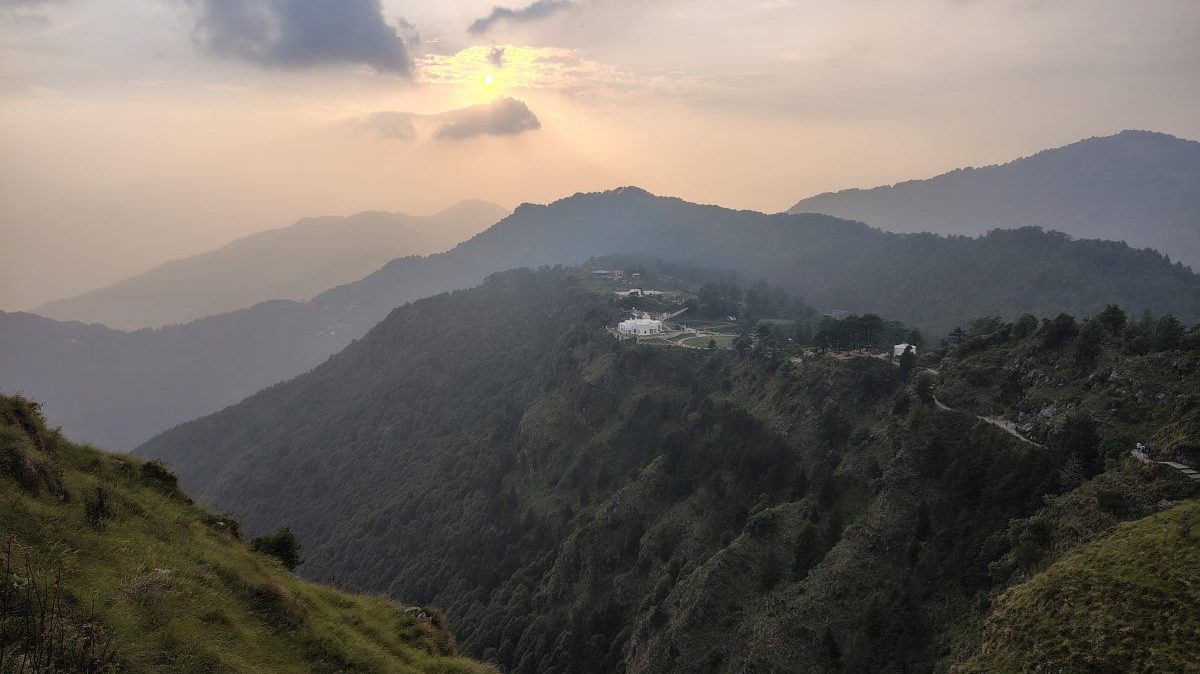
Dayara Bugyal, situated at an altitude of over 11,000 feet, is one of the grandest alpine meadows in India. For centuries, villagers from surrounding settlements like Raithal and Barsu have driven their cattle up to these high pastures during the summer and monsoon months (Harki Dun and pasture grazing tradition).
Because the cows and buffaloes feed on medicinal alpine herbs, the milk produced in these high-altitude meadows is exceptionally rich.
Worship of Someshwar Devta and Lord Krishna
In the Garhwal region, Lord Krishna is revered alongside local deity manifestations, prominently Someshwar Devta (an incarnation associated with Lord Shiva and local protector spirits) and his divine snake companion, Nagraj. Since butter (makhan) and milk are central to Lord Krishna’s iconography, the villagers dedicate their pastoral yield to the divine.



Leave a Reply